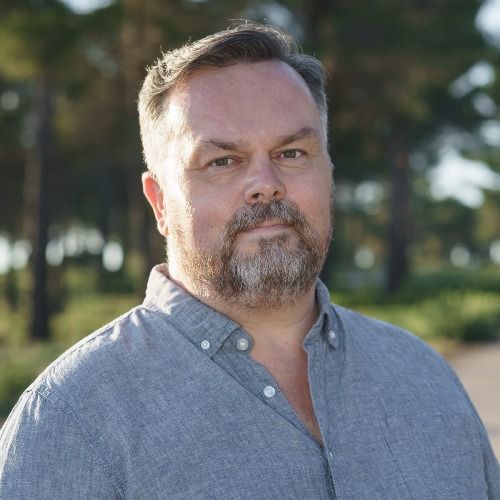
Episode 279
Building a $360K Speaking Business: From Overdose to Success with Ryan Botner
Discover how Ryan Botner transformed his life and business after a near-fatal overdose to create a $360,000 speaking empire. In an industry filled with eloquent speakers, Ryan stands out with his ability to sell and market himself effectively. Drawing from twenty years of sales experience, he reveals how power hours, unyielding outreach, and personal visits fill a speaking calendar.
In this episode, learn why the mantra 'money follows movement' is crucial and why most speakers face conversion rather than lead problems. Ryan shares insights into entering the US speaking market via high-leverage associations and shifts the paradigm from pitching to inviting. If you're stuck believing a better website or a speaker bureau can solve your booking woes, think again.
Tune in for actionable strategies that transcend geographical boundaries, focusing on the universal principles of building reps, forging relationships, and getting clarity on your messaging. Ryan's transformative journey from minimum-wage jobs to a successful speaking career offers invaluable lessons for aspiring speakers ready to move beyond their limitations.
Episode Timestamps:
00:00 - Leads Versus Conversion
01:22 - Ryan’s Rise And Reset
05:50 - Finding Your Paid Problem
07:36 - Money Follows Movement
11:44 - Who To Call First
14:38 - Prospecting And LinkedIn
19:00 - Breaking Into Corporate
21:36 - Reps And Sales Scrimmage
25:27 - Listen To The Market
28:09 - Low Hanging Booking Wins
30:55 - Speak To Sell Offers
33:32 - Coaching Fit And Contact
37:13 - Wrap Up And Next Episode
Keywords: Ryan Botner, speaking business, conversion strategy, power hours, cold outreach, speaking market, sales skills, public speaking, career transformation
Want to connect with Ryan? Find him on LinkedIn: linkedin.com/in/ryan-botner-b59445239
Note: Ryan's prospecting examples are largely US-specific, where associations are a far bigger part of the speaking ecosystem than in the UK or Europe. The underlying principle (reps, relationships, and getting on the phone) still applies regardless of geography.
CHAPTERS:
00:00 Leads Versus Conversion
01:22 Ryan’s Rise And Reset
05:50 Finding Your Paid Problem
07:36 Money Follows Movement
11:44 Who To Call First
14:38 Prospecting And LinkedIn
19:00 Breaking Into Corporate
21:36 Reps And Sales Scrimmage
25:27 Listen To The Market
28:09 Low-Hanging Booking Wins
30:55 Speak To Sell Offers
33:32 Coaching Fit And Contact
37:13 Wrap Up And Next Episode
4. FAQ Section
Q: What is Ryan Botner's main advice for speakers struggling to get booked?
A: Ryan Botner argues that most speakers don't have a leads problem; they have a conversion problem caused by unclear messaging or under-developed offers, and that consistent prospecting activity (cold calls, LinkedIn outreach, in-person visits) is non-negotiable for building a sustainable speaking business.
Q: What is Ryan Botner's close rate by lead source?
A: Ryan Botner reports an 80% close rate from discovery calls booked through speaking engagements, roughly 50% from referrals, and around 30% from LinkedIn leads.
Q: How did Ryan Botner get into professional speaking?
A: After a career in life insurance sales and a period of addiction that led to a near-fatal overdose, Ryan Botner rebuilt his career starting with unpaid and low-paid speaking engagements before scaling to a six-figure speaking and coaching business.
Q: Does Ryan Botner's advice apply outside the US?
A: Much of his prospecting strategy centres on US-style trade associations, which are less prevalent in the UK and Europe. The core principles of direct outreach and relationship-building still apply, but European speakers will need to adapt the specific tactics.
Connect with John:
- Find out more about the Known, Booked & Paid Blueprint
- Subscribe to the Serious About Speaking newsletter on LinkedIn
- Find me on Insta
- Find me on TikTok
- Find me on Threads
Discover the bottlenecks in your speaking business with the Applause Vs Invoice Quiz
For speaking/podcast enquiries or to connect with me directly, you can email john@presentinfluence.com or find me on LinkedIn
You can find all our clips, episodes and more on the Present Influence YouTube channel
If you know a speaker who would enjoy this show, let them know. Thanks for listening.
Mentioned in this episode:
Last Call For Founding KBPB Mebers
There's one last spot in the founding membership of The Known, Booked & Paid Blueprint. This is the only time you can get the program at 50% off. After that, it goes to the full program price, which is still great value, but it's not half-price value. Find out if it's the right fit for you at presentinfluence.com/kbpb
Transcript
Most speakers think they have a leads problem.
2
:They don't.
3
:They have a conversion problem, and
they're avoiding the phone because of it.
4
:My guest today made over a million
dollars a year in sales before he was
5
:30, lost it all to addiction, and rebuilt
a six-figure speaking business from
6
:a $9 an hour job at a barbecue joint.
7
:He's gonna tell you exactly what
the reps look like and why money
8
:follows movement, not content.
9
:Welcome to Professional Speaking,
the show for people who are
10
:serious about speaking and want
to become known, booked, and paid.
11
:My name's John Ball, professional
speaker, speaker business coach,
12
:stand-up comedian, and sci-fi nerd.
13
:I'm here as your guide on the journey
to a successful speaking business
14
:Welcome to Professional
Speaking, Ryan Bottner.
15
:Good to have you on the show today
16
:Ryan Botner: Yes, great to be here, John.
17
:I'm excited
18
:John: Me too.
19
:Now, one of the reasons I'm particularly
looking forward to speaking with you is
20
:because you help with one of the things
that I think most speakers struggle
21
:with probably more than anything else.
22
:Like most people go, "Oh, speaking
thing can kind of do that.
23
:I've got that figured out."
24
:But what do you do about actually
getting the bookings and sales
25
:to make sure that you're getting
on the stages in the first place?
26
:And this is where someone
like you comes in.
27
:So tell us a little bit about,
who you are and what you do.
28
:Ryan Botner: Yeah.
29
:Well, I had been selling for 20 years
and, first started in life insurance.
30
:They said, "Bring, 200 names to
training and, we're gonna give you
31
:a script, and you're gonna call all
your friends and family, and you're
32
:gonna sell them life insurance."
33
:And I'm, like, freaking out.
34
:So that was my, through to the wolves,
and so I just, I said, "Well, I wanna do
35
:this, and I don't wanna go work a normal
hourly job, so I'm gonna figure it out."
36
:And, honestly it's, once you got
over the call reluctancy, which was,
37
:is always the biggest, you know,
hurdle that people deal with, right?
38
:Which is still to this day everybody
dealing with, 'cause, we didn't have
39
:text messages much back then, you
know, and email and those types.
40
:So, like, you literally were
calling, you're calling people.
41
:And so always been just, understood
the phone and the power of the phone.
42
:and so made millions of dollars.
43
:Before I was 30, I was making
over a million dollars a
44
:year selling life insurance.
45
:and I really sold life insurance
to rich people, physicians,
46
:and thus I became rich.
47
:And then the world got ahold of me
pretty good, John, and, fell into
48
:first alcohol, and then it was
drugs, and about two and a half years
49
:of deep addiction from 35 to 38.
50
:Ended in a overdose, and I was in a
coma three days, and, I wasn't looking
51
:for God, but He, He got my attention.
52
:And, thankfully I turned
from that whole life.
53
:That was in 2020 and, my wife at the
time, you know, she ne- she didn't,
54
:she didn't really, she didn't leave me.
55
:She always knew if Ryan got out of this,
he was gonna be a motivational speaker.
56
:John: Okay.
57
:So she had that vision for you
58
:Ryan Botner: she was
proph- prophetic, yeah.
59
:And, uh, and so when I first came, you
know, came back out of my mess, I just
60
:really, honestly, I just started losing
myself in the service of others, and
61
:I think that's a really important key.
62
:And I, I was just coaching a speaker
this morning, and a lot of times
63
:we wanna talk about ourselves,
but it's not about us, right?
64
:It's, it's about the audience, and if
you can have a servant mindset about
65
:serving the audience any way you possibly
can, I believe everything changes.
66
:And so I had to just get over my
selfish self, and, I joined the John
67
:Maxwell team, and I called myself
a John Maxwell certified speaker.
68
:Ask me how many gigs
I got from that, John.
69
:John: How many did you
70
:get?
71
:Ryan Botner: Zero.
72
:And I didn't, I wasn't in the
better, but I called myself
73
:a speaker and, uh, a coach.
74
:and I got a, my, my first job out of
addiction, which was at a barbecue
75
:joint for nine bucks an hour.
76
:And so, that was my first speaking job.
77
:but I had to work, and I was hum- I had
to humble myself, and then, you know,
78
:I just, I, I worked with people at
addiction, and I was just trying to serve,
79
:trying to find, you know, my, my walk.
80
:And then, a professional speaker came
into our small town in North Dakota and he
81
:spoke at our, ambulance banquet one year,
and I, he was just talking about attitude
82
:and intentionality and time management.
83
:And I was like, I'm like,
"You can get paid to do this?"
84
:And so I tapped him on the shoulder
and I said, "I wanna do what you do."
85
:I s- gave him my John
Maxwell certified card.
86
:I was so proud of it, right?
87
:And, he said, "Well, call me Monday."
88
:And so, that was my first coach that
I hired really out of all of it.
89
:And since then I've hired probably four
or five other coaches, spent almost six
90
:figures on coaching the last five years.
91
:You, you and I, we met through a
coaching, you know, program that we're
92
:both a part of and, and work for.
93
:And, and so I believe everybody
needs a coach in life.
94
:I believe that a good
coach can change your life.
95
:And so I was, as I grew my speaking
business and coaching business and I
96
:just kept building it, I, you know, I
had a burden, because I was making money.
97
:So my first year in speaking, I maybe made
s- in six months, I maybe made like 40
98
:grand, and then the next year I did 150.
99
:Year after that was 250.
100
:Last year we did like 360.
101
:And so I don't say that to brag, but
I say it because it's working, right?
102
:But I also have seven kids to
feed, so I have to go work.
103
:I got, like this
104
:John: you,
105
:you haven't got a lot of choice.
106
:You gotta go out there
and make, make the bacon
107
:Ryan Botner: and they eat not only in
the morning, but at noon and at night,
108
:and they ex- like, I just fed them.
109
:but, so what I'm doing is working,
but it didn't come over, you
110
:know, it didn't come overnight.
111
:I had to find my voice.
112
:I really had to find my skill,
you know, based on my unique
113
:past and my unique skill set.
114
:I really, you know, I tell people I'm a
specialist in helping people to activate.
115
:And, rather than commoditizing
yourself and saying that you're a
116
:motivational speaker or inspirational
speaker, I believe that's just the
117
:title behind it, but what problem in
the world do you really solve, right?
118
:What, what are you, what problem in
the world are you qualified to solve,
119
:and is it a problem you wanna solve?
120
:Like, I come out of recovery.
121
:I could speak till I'm blue in the face
at recovery facilities and make no money.
122
:I could, I'm a man of faith.
123
:I could speak faith, uh, at
churches and make no money.
124
:and so I had to figure out, like, how
can I really take my voice and, and
125
:what's the problem in the world that I
solve that would, you know, pay me the
126
:most money for it, right, essentially.
127
:And so, um, over the last year really
honed in on the sales side of things.
128
:I don't, you know, people
kind of shy away from sales.
129
:It's not sales, it's serving, you know?
130
:Because if you're really serving
people and you're a go giver, you will
131
:have financial freedom, you will have
time freedom, and more importantly,
132
:you'll have relationship freedom.
133
:And so for me, how I track that
is through speaking, right?
134
:And so speaking to sell, the
speaking is the tip of the spear.
135
:I speak at associations,
that's number one, 'cause they
136
:usually have money to pay me.
137
:and then getting into corporate.
138
:The corporate money obviously is good,
but you know, the challenge with corporate
139
:sometimes is, they will pay a lot of
money, uh, or they'll even pay you to
140
:come in and consult or, it, but a lot
of people, they don't wanna be coached,
141
:they don't wanna be consulted, right?
142
:You know, and so I had to go
through that lock as well.
143
:And so once again, finding your
voice, but understanding that,
144
:write this down anybody who's
listening, money follows movement.
145
:You have to move.
146
:You have to get uncomfortable.
147
:You're gonna have to build relationships
with event planners and decision makers.
148
:You're gonna have to make phone calls.
149
:You're gonna have to come up with a
plan, because nobody's gonna call you
150
:John: Yeah.
151
:And th-this is, I think, recurring
message on, on the, on this show, but
152
:I think it's one that people can't hear
enough because you need to keep hearing
153
:it until you're doing it, frankly.
154
:And even then, we sometimes need
to keep reminding ourselves,
155
:yeah, this is what it's all about.
156
:It's the, it's the business of speaking.
157
:As much as we might prefer that
we just, all we have to do is
158
:get up on the stage and, and the
rest will take care of itself.
159
:It doesn't…
160
:It just doesn't work that way.
161
:And, um, and, and to be honest, that
it shouldn't work that way either.
162
:It's like we, we do
need to build something.
163
:We need to operate as a business.
164
:And one of the things that we,
you know, connected a bit more
165
:deeply over was about how speakers
generally don't treat speaking
166
:like a business in the first place.
167
:So I love what you're saying
about the, the service mindset.
168
:I mean, yes, you will encounter
speakers who are ego-driven more than
169
:service, but I think for the most
part, people in the speaking world are
170
:more service focused and, and one of
the things I love about the industry.
171
:Um, but
172
:Ryan Botner: Me too.
173
:Me
174
:John: it c- it can't just be for free.
175
:It has to…
176
:As much as you might wanna, you might
wanna speak, as you say, you might
177
:wanna speak to Faith, you might wanna
speak to, uh, particularly to, to
178
:can't really afford to pay you, you
have to make a business out of it.
179
:And so you have to make business
decisions that go with that.
180
:It can't all be what you want.
181
:So with, with your business, yeah, you've,
you've clearly developed something and
182
:I, I think a lot of people would be
probably happy to hear your story as
183
:well as I think, all right, you did it.
184
:I mean, yeah, you had some
business success early on, but
185
:you didn't start like, "Oh, I've
always been an amazing speaker.
186
:I've always been up on stage.
187
:I knew this is what I wanted
to do forever," or that.
188
:It's like, this is like, all
right, this was like a reinvention
189
:to some degree for you.
190
:Ryan Botner: Yeah.
191
:Yeah, and even, you know, my biggest
gig still in, in my career with
192
:which really full-time for years,
my biggest gig is, was, is $7,000
193
:and I got that last, last month.
194
:You know what I mean?
195
:And so, um, I, uh, I probably have a
little imposter syndrome that, well,
196
:like I can't ever get 10K or 12K, right?
197
:But that, that's what I
thought when I first started.
198
:Like, I couldn't believe somebody
gave me my first gig I think was 500,
199
:and then it was 900, and then 1,200,
and I kinda got stuck at like 3,500
200
:for a while, but it was good money.
201
:And then I was like, okay, well, but
if I can get a $3,500 gig or a $5,000
202
:gig, but I can have an offer that
I can make five, 10, 15 on the back
203
:end, and so that is the whole thing.
204
:And I'll tell you the truth, I probably
make the most money on free gigs as
205
:long as the right people are in the,
in the audience, you know, networking
206
:business type of things 'cause they're
gonna be attracted, right, to go deeper.
207
:And I believe that most people are not
gonna hear my talk and just like totally
208
:transform everything in their life, right?
209
:They're not gonna hear this podcast
and like, "Oh, that was it."
210
:Totally transform.
211
:They need to be in a
coaching program, right?
212
:Because I know how to lose weight, John.
213
:I know what to do, I know what to
eat, I know how to work out if you
214
:put me in a gym, but I need a trainer.
215
:I need accountability.
216
:I need clarity because when there's
clarity, then I have confidence.
217
:And so, like I think a lot of the
biggest battle is people are like,
218
:"Well, I don't know who to call."
219
:Okay.
220
:Well, let's come up with a list
and a script and let's do it.
221
:But if they, they're, if you're not
putting those things together and
222
:bringing accountability, left to
our own devices we just won't do it.
223
:We won't do hard things.
224
:John: So I, I think you're right that
that is one of the things, that one
225
:of the stumbling blocks for people is,
who do you call in the first place?
226
:'Cause I think, you know, funny enough,
I was chatting earlier today with
227
:a, with a, a bureau, someone from a
speaker bureau about this very topic
228
:that, that speakers will just join a
speaker bureau and think, "Oh, the gigs
229
:are gonna come flying through now."
230
:Or, um, or, or they'll r- post stuff a
few bits to pieces on LinkedIn, or they'll
231
:have, be responding to other people's
posts, the stuff that people tell you
232
:to do for engagement on LinkedIn, and
that why isn't my inbox blowing up?
233
:Why isn't my phone ringing?
234
:And all the…
235
:Because that's a super
passive way of doing it.
236
:You know, people just don't wanna
get on the phone and make that call.
237
:So it's not just that.
238
:It's like, well, you have to know who
you're gonna call, and you have to
239
:know what you're gonna pitch them.
240
:So the first bit of the equation is who.
241
:H- How, how do people…
242
:How do you recommend people
start figuring that out?
243
:Ryan Botner: Yeah.
244
:Well, you said a really
key word there, who.
245
:there's a book by Dan
Sullivan, and I believe Dr.
246
:Ben Hardy wrote this
book, called Who Not How.
247
:And so every time I've had a breakthrough
in my life, it has come from a person.
248
:So I don't really have a money
problem, we have a people problem.
249
:We need to find the people,
the people have the money.
250
:And, the good news is, I, I'm…
251
:associations and even conference,
they're looking for speakers.
252
:They might think there's
a lot of speakers, but
253
:they're looking for speakers.
254
:They're looking for speakers that
are different as well, and that are
255
:assertive and intentional, about
wanting to be on the stage and have
256
:high excitement and high energy.
257
:I mean, you say motivational speaker, I
believe everybody needs to be motivating.
258
:Motivating just means move.
259
:Like, if you're not motivating,
nobody wants to listen to you.
260
:If you're not moving, you know?
261
:And same with inspirational,
it means to breathe life into.
262
:But I believe that, we get so caught up
in I gotta have this pers- perfect demo,
263
:and this website, and all these things.
264
:No, you just need to speak
directly to the problem.
265
:So every day you need to wake up and say,
"What problem are people dealing with?
266
:And what are they dealing with?"
267
:I wake up and ask myself this, I'm like,
they're dealing with anxiety, depression,
268
:fear, hopelessness, helplessness.
269
:They're stuck, they're complacent.
270
:So all of my messaging
speaks to those problems.
271
:So then they're like, "Oh, that is…
272
:We…
273
:Oh, we are, we're dealing with that."
274
:You know?
275
:'Cause when you see it,
you're like, "That's it.
276
:That's what we got going on."
277
:John: Yeah.
278
:So you, you figure, you, figure, out
that that's who you're serving, that's
279
:a really important part of the equation.
280
:But then how do you figure out
who you need to speak to in
281
:order to serve those people?
282
:Ryan Botner: Yeah.
283
:I believe you should
always be prospecting.
284
:so right before this call, I had a
power hour and I was prospecting.
285
:And so I'm figuring out, what
conferences, associations that
286
:I align the most w- most with.
287
:I'm not only calling them,
getting them on the phone, but
288
:I'm adding them to LinkedIn.
289
:We have a LinkedIn outreach,
program as well because when they
290
:come on LinkedIn, they need to
see I'm a professional speaker.
291
:I wanna build that.
292
:don't just send emails.
293
:They-- Literally, I talk to
event planners all the time.
294
:They say they get 50 emails a day.
295
:John: I believe it
296
:Ryan Botner: So if you're sending email,
but I can give you this, LinkedIn, if
297
:you, if you do it and you just promise in
the message when you first connect with
298
:them, "Hey, I spoke over here, but I just
wanted to say hello and connect with you.
299
:I, I, I promise I won't, slap pitch you."
300
:And you just build a relationship, and
then you post good content, right, that is
301
:relevant to problems that they're solving.
302
:I believe that's a great way to do
it, but you need to get on the phone,
303
:and if you just get them on the
phone to build a relationship, then
304
:you can do a combination of that.
305
:That's how I've built my speaking business
306
:John: Yeah.
307
:I, I was speaking with, a UK speaker
called Elliot Kay, and, one of the
308
:things that Elliot was saying, is like
that a lot of the stuff that people
309
:put on LinkedIn, a, a lot of times
speakers don't actually put much or
310
:content of their, or pictures or videos
of them actually speaking on platforms.
311
:And he said that the, the bookers are
there on the platform, but very often
312
:they're not actually seeing you in
action, and it is that proof of concept
313
:Ryan Botner: Social proof
314
:John: right, social proof, being able
to see, well not just that you can get
315
:on a stage perhaps, but also to be able
to see content that shows you know what
316
:you're talking about, you actually sound
like you have the stuff that can deliver
317
:on what we want to book you in for.
318
:That I think I've heard you say
this before as well, that y- you
319
:know, the bookers need to be able
to trust that you can deliver
320
:Ryan Botner: Absolutely.
321
:I mean, you think about it,
it's not their money, right?
322
:Okay, so it's not their money.
323
:What's the big thing, like,
what's their big risk?
324
:Well, can I trust you to deliver
and just really not mess it up?
325
:And, and are we, you know,
can I stay within budget?
326
:That's really all they care about
327
:You know?
328
:So if you build a relationship
and they know, like, and trust
329
:you, they'll go to bat for you.
330
:But I will tell you this, this
is a big tip, and this is where a
331
:direction we're going right now.
332
:Not only, uh, not only just working
with event planners and decision-makers,
333
:but you need to go and befriend
the board members of associations,
334
:'cause the board members are the
ones that will give some votes.
335
:And a lot of times I lose out with an
event planner decision-maker 'cause
336
:the boardroom brought their guy
337
:John: Right.
338
:It makes sense.
339
:I mean, it's a, it is a relationship
business and people want the people
340
:that they trust to be able to deliver
the outcomes they're looking for
341
:Ryan Botner: And usually those board
members also are presidents or head
342
:up of corporations, which is really
343
:what you're going for, anyway.
344
:We wanna get to the corporate money.
345
:and so, but the nice thing about
associations is that it's much easier
346
:to speak to, let's just say, a group
of financial advisors that are all
347
:dealing with the same thing, or a group
of mortgage brokers that are all new.
348
:It's much easier for me to speak and
build out a talk that is they're all
349
:dealing with the same problem, rather
than a rotary group, which is, has
350
:like every type of occupation in it.
351
:Does that make sense?
352
:John: It does.
353
:I mean, here, here
354
:Ryan Botner: don't know the word that I'm
thinking, like specific niche, you know,
355
:like a group of similar, 'cause then you
could really hone in on a problem that
356
:they're really facing, you could smash it
357
:John: Yeah.
358
:He- here in the Europe, and
especially in the UK, we don't
359
:really have the associations.
360
:Like, the US is full of
associations, Europe is not.
361
:That's not to say that there aren't
any that exist, but they're not alwa-
362
:you know, they're not al- they're
not quite the same path for people
363
:into professional speaking as they
might be for, for people in the U.S.
364
:I mean, if that isn't a stepping stone
for you, what, what would be your, your
365
:advice if you kind of have to go straight
to the, straight to the corporate?
366
:What, what would you do in that situation?
367
:Ryan Botner: literally what I did in the
corporate world is I, um, I went do- I
368
:went door to door when I first started.
369
:So I would walk into car dealerships, and
I would walk into real estate offices.
370
:I would walk into, corporate and
especially if they had any type of
371
:a sales, department, and I would ask
them when their sales meetings were,
372
:'cause it was usually every week, and
I would come in and speak for free so
373
:that they could taste the ice cream
and I could showcase in the corporate
374
:John: Right
375
:Ryan Botner: and I will tell you, that,
I, A, the boldness to walk in, right?
376
:And then to go speak, I got hired
eight times in two months from that.
377
:Now, the challenge is I ran out of car
dealerships and real estate offices
378
:to call on A lot of times we just, we
just have to be bold and, and allow
379
:them to, see us in action, you know?
380
:And there'll be some type of consulting
coach, some type of opportunity there.
381
:Plus, they all have groups, like the
group that I know, like in the car
382
:dealership world, they, they have
like what … It's like study groups.
383
:They're called like Tony groups,
and they meet every quarter,
384
:and that's an opportunity.
385
:Or you like Vistage groups.
386
:They got … A lot of people
are in those types of group.
387
:So successful people are a part of
these that you can get referred to
388
:John: Yeah.
389
:A- and those can be good doorways in.
390
:And you said about g- walk- doing like
walking into places and I could just hear
391
:the listener now going, "Um, I couldn't…
392
:I don't think I could do that."
393
:But I, I honestly think pe-
people could, it's just that
394
:they pr- would prefer not to.
395
:Like you say with the,
they prefer not to make
396
:Ryan Botner: if I wouldn't have had
a coach that said, "You're doing it."
397
:And I never forget the first one
I did, I'll never forget, and,
398
:uh, it was actually a, uh, mobile,
like, or not a mobile h- RV park.
399
:It was a RV dealership.
400
:And it w- I walked in and I said,
"Do you have weekly meetings?"
401
:He said, "Yeah."
402
:And he actually said, "You know what?
403
:You're, you're, you're
a performance coach.
404
:Would you coach my new guy here?"
405
:And I sat down and, and he said, "I'll
pay you to coach him for an hour."
406
:So I sat down and, and I
coached him for an hour.
407
:They never brought me in to speak
'cause the executive said no, and
408
:they never paid me either, but it
was a good experience, my first one.
409
:You know, it wasn't a
rejection, it was actually…
410
:And I'll never forget that.
411
:So it's always the first one's the hardest
412
:John: Yeah.
413
:But do you, do you think that people do
need to do the work on getting out of
414
:the way or do you just think you just
need the accountability, you need someone
415
:there to tell you just go and do it?
416
:Ryan Botner: Reps,
417
:yeah.
418
:Yeah.
419
:Yeah, because, because, uh,
you know, top performers have
420
:four things in common, John.
421
:Number one, they are remarkably
bold, and people just need a
422
:more, they need more boldness.
423
:Now, I can't be bold, though, if I don't
have clarity and I don't have confidence
424
:and I don't, I don't have a roadmap.
425
:And I, if I trust that the person has been
there before, like that, uh, that gives
426
:me more boldness in what I'm doing, right?
427
:Otherwise, I have confusion, which
is randomness in motion, and then I'm
428
:like, "Oh, I should be doing this.
429
:I should be doing that.
430
:I should be posting on LinkedIn.
431
:I should be posting…"
432
:Like, no.
433
:Like you're throwing pebbles
into the Atlantic Ocean.
434
:Need to have a clear plan of somebody
who's been there before and done
435
:it, you know?
436
:So
437
:John: to reinvent anything
in order to do this.
438
:But, um, I, I, I agree.
439
:And I, I, I…
440
:My, my first ever sales job, I was, I had
that s- that fear of making the calls.
441
:Ryan Botner: Court
442
:John: but no, I was, I was being
trained by, do you know Cole Gordon?
443
:You ever come across him and his team?
444
:Ryan Botner: That sounds familiar
445
:John: Okay.
446
:So I, so I was
447
:being…
448
:But, so we'd bought training
with them and, and so his team
449
:were training, training me and
the other team, team members.
450
:And, and it really was just like the,
the probably the most helpful thing
451
:they covered on that was the only
way to get over the hesitation on
452
:making the calls is to just start.
453
:Just start making the calls.
454
:Because when you're in
it, there's no hesitation.
455
:You're just in it, you get on
with it, and that, that's really
456
:how you have to start your day.
457
:It's like, "Yeah, okay, I might not
want to do this," but you, you take,
458
:take the bitter pill and just get on
with it, because that's the worst of
459
:it out the way, is getting started
460
:Ryan Botner: Yeah.
461
:And I will tell you, and this is something
that we, I, I do in my coaching program,
462
:is we do, uh, like a sales scrimmage.
463
:And so it's an hour.
464
:We break, go into breakout groups,
and it's three people in each room.
465
:And so I'll put three speakers in
a room, three coaches in a room,
466
:whatever it is, and we will get reps.
467
:And so they got three minutes of phoning,
approach, discovery, whatever it is,
468
:because you need to get those reps in.
469
:And you could do it with your ChatGPT.
470
:You could do it, you could go back
and forth with AI and do role play
471
:and if you wanted to, but, but it
just brings more confidence rather
472
:than making the mistake on the call,
on the phone, out on the field, and
473
:then, you know, losing the opportunity.
474
:And so, but, that's always been
something that has been leveled
475
:up my skill set big time, is just
getting … Gotta get to the gym.
476
:I gotta put in the reps
477
:John: Yeah.
478
:And, and it, it…
479
:People think this is complicated,
but I think maybe they want
480
:to think that because it gives
them, gives them an excuse out.
481
:Yeah, like you think, you think, "Oh,
the gym's gonna be too hard work."
482
:Ryan Botner: John, it is
483
:John: yeah.
484
:I agree.
485
:I agree.
486
:Ryan Botner: But you and I saying,
you and I saying it's hard is
487
:not gonna make it any easier
488
:John: Right.
489
:But it's not…
490
:Hard is not the same as impossible.
491
:Hard is not the same as
like, "I can't do it."
492
:It's just like, yeah, it's not
going to be easy, but it is doable.
493
:Like most things that are worth
having, they're not gonna be easy.
494
:If it was easy, it wouldn't
even be worth having.
495
:Ryan Botner: Everybody do it
496
:John: yeah, you have to put
497
:it, you have to put in some effort
and some work into doing that.
498
:I'm completely with you on that.
499
:But there's also an element where
sometimes you just initially
500
:have to get out of your own
way and just start doing it.
501
:And, um, now you, you kind of s- shared
some of your story about doing that.
502
:Do you find it's the same
principle for everyone else?
503
:You're just like, you need to
know why you're getting out of
504
:your own way in order to be able
to, to do that for yourself.
505
:You need that like, you have
to have a big enough reason to
506
:actually push yourself to do that
507
:Ryan Botner: Yeah.
508
:I mean, I have seven little
reasons, that's for sure.
509
:Uh, you know, and I, and like, here's
the challenge, that, you know, don't--
510
:If they don't have-- If-- The people
that are backed against a wall, I,
511
:I feel they, they respond the most,
but not-- A lot of times they don't
512
:have any money to even invest in
themselves, and I've been there too.
513
:and then, you know, it-- I'll have
people that have made a bunch of money,
514
:and then they wanna come in and speak,
but they don't wanna put the work in
515
:to do the, to get the-- Like, they're
not gonna just get the 10K gigs.
516
:They're not even a good…
517
:You know what I mean?
518
:But yet they made their money, and so, uh,
like, you just have to know, like, "Why
519
:am I doing this, and where am I going?"
520
:But you don't have to have it
all figured out right away.
521
:you need to select a problem you solve,
establish yourself as an authority.
522
:You could start writing a book.
523
:Write a little book.
524
:Like, I wrote a really little
book, you know, to start.
525
:And, and then, but then you have to listen
to the market, 'cause the market will tell
526
:you if your message is hitting or not,
if you're really s-speaking to problems.
527
:And usually people are bringing,
they're bringing the, the-
528
:They're bringing the solution, but
they're not speaking to the pain
529
:John: Right.
530
:Yeah.
531
:I, I do, I do sometimes come across, uh,
um, particularly where with the place we,
532
:we both work for, would often very much
come across people wanting to speak about
533
:what they wanted to deliver to people,
but that wasn't really connected with
534
:what people would probably want from them.
535
:Ryan Botner: And I've done it.
536
:I've done it
537
:John: yeah.
538
:It's eas- it's easy trap to fall
into because it's like you think,
539
:"Oh, this is what they need.
540
:This is what, this is what,
this is what I love, and this
541
:is what everyone else needs."
542
:A- and it actually might not be, uh,
unless you can actually connect it in
543
:with, as you say, solving the problem
for the right people and for people who
544
:are gonna be able to pay you for it.
545
:Let me ask you this, though.
546
:In your opinion, what do you think is the
most important skill or trait or habit
547
:for, for a professional paid speaker?
548
:Ryan Botner: you need to be
a good listener and you need
549
:to check your ego at the door
550
:John: I think those look great.
551
:Yeah
552
:Ryan Botner: I, I I have a good-- I
have a speaker friend and he, he said,
553
:"Ryan, you need, you need to be an
554
:askaholic."
555
:You need to really be curious,
and I knew what he meant.
556
:And, be really curious, and, and be
interested in, in, and really just
557
:bringing value and serving, you know?
558
:some low-hanging fruit
tip for, for somebody.
559
:I just wanna try to bring value.
560
:if you have event venues, that put
on events, in your area, just stop
561
:in or call them and get the event
planner on the phone and just let
562
:them know that you're available.
563
:S- 'cause if a speaker backs out,
you wanna let them know that that's
564
:sol- that's bringing a solution
and then not a solicitation.
565
:building a relationship, and
then what will usually happen is
566
:they'll bring you in the next year
because you were solution-based
567
:and you were available to serve.
568
:And even if they didn't, you
know, and so that could be a
569
:low-hanging fruit, for, for somebody.
570
:Honestly, I can't even tell
you how many gigs I've won
571
:because the speaker backed out
572
:John: That's, that's a good point 'cause
I think people do, especially, I, I know
573
:around UK and Europe, people do struggle
to get i- to break into the conference
574
:gigs because they don't, they don't
really always want unknown speakers.
575
:But approaching it from that sense
of like, well, I think in a, in the
576
:situation where they don't have anyone
else and they've got you on backup,
577
:yeah, that's, you're absolutely right.
578
:Okay, they might not
579
:Ryan Botner: the best speaker?
580
:The one that shows up
581
:John: yeah.
582
:100, 100%, 100%.
583
:Ryan Botner: And then the other
thing too is that a lot of times
584
:they'll have breakouts at events,
and you could come in as a breakout.
585
:It might not pay any money or
maybe a little money, but at least
586
:your, get your foot in the door
587
:John: Yeah.
588
:Uh, that's important.
589
:The, the visibility of being seen, being
able to connect with people is important.
590
:I know we don't all-- we don't
ideally want to be just doing
591
:gigs for exposure, but there are
certain situations where that, um…
592
:I think one of my speaker coaches
said this to me, is like, "You
593
:don't ever speak for free."
594
:There, there's, there has to
be some exchange of value.
595
:You need to know you're getting
something worth having from doing this.
596
:Even if it's not money, you're
getting something that's
597
:Ryan Botner: Yeah, even if it's some
598
:John: that experience
599
:Ryan Botner: I call them
purpose tokens, you know?
600
:John: Right.
601
:Yeah.
602
:Yeah.
603
:Uh, I do like that.
604
:I, I, I wanna ask you 'cause, uh, um,
uh, this is probably just a, a more
605
:of a, a quick thing if we, if we can
cover this quickly, I don't know.
606
:But, um, selling from stage is quite a
different thing, and it's not something
607
:we cover too often on, on the show.
608
:But, um, it's a different kind of
speaking to what most people do.
609
:Different, a bit different to keynote,
though most people that I don't know if
610
:I, I don't think I could sell from stage.
611
:There are definitely different
skills involved with that.
612
:And I was sort of thinking, yeah,
I'd like the idea, I'd like to
613
:be able to sell my own courses,
my own programs from the stage.
614
:Uh, but I d- I don't have
the confidence to do it.
615
:I don't know how to do that.
616
:How, what are some of the things that
maybe they should look to work on that
617
:make that effective, make that work?
618
:Ryan Botner: Question you wanna
always ask, is what action do
619
:you want the audience to take?
620
:So that's where I begin.
621
:Say, "Okay, what action do
I want the audience to take,
622
:and who am I looking for?"
623
:Right?
624
:'Cause I wanna be very specific in who
I'm looking for so I can pre-frame and
625
:I can agitate and bother that person
that is gonna go deeper with me.
626
:And so I'm doing that all through my
presentation of really just agitating
627
:because if I'm agitated, now my pain
of staying where I'm at is greater
628
:than the pain of change, and they
will run up and almost tackle me
629
:after if I really hit home and I'm
speaking exactly to the problem.
630
:And I do invite them to come deeper.
631
:You know, so it's not necessarily a pitch
from the stage, but where there's no
632
:invitation, John, there's no monetization.
633
:Okay?
634
:So there's gotta be some type
of an offer to go deeper.
635
:And so when I say speak to sell, that's
really what I mean because if you put
636
:me in a room with somebody for 45 or
50 minutes and they engage with me
637
:in a discovery call, I close at 80%.
638
:If I get a referral, I close at about 50%.
639
:If it's a LinkedIn lead, it's about 30%.
640
:So you can see the difference
and how powerful it is to,
641
:uh, have more speaking gigs.
642
:Much more efficient
643
:John: For sure.
644
:for sure.
645
:Uh, and I think an interesting point
there that maybe isn't, you know, so
646
:explicit but, but it is implicit in
what you say of you track this as well.
647
:Like, you track what's actually bringing
in the results and the percentage.
648
:Like, you, you know what converts
best for you and what doesn't
649
:convert quite so well for you.
650
:and I think most people don't have
much of a clue about that, but the
651
:tracking and the numbers side of
this is, is part of having a business
652
:Ryan Botner: Yeah.
653
:And I'm like, um, I'll have some
opportunities where I'll, I'll pay
654
:or buy tickets to be on the stage,
especially if I know the other
655
:speakers, and I'll be like, "Oh, I'm
gonna get a bunch of money from this,"
656
:because I know my offer and I know the
people in the room that it speaks to.
657
:So I'll even not only not do it for
free, but I'll pay to be on the stage.
658
:now be careful with that.
659
:You don't wanna spend a bunch of money.
660
:But in certain situations, if you have
confidence in that, um, in your ability
661
:to sell, it's profitable for sure
662
:John: It can be worth doing.
663
:there's been, there's been a lot
of value in, in a short time.
664
:You know, it's a very
valuable conversation, people.
665
:I hope people are taking away some,
uh, I hope no big notes and taking
666
:some v- some stuff away from this.
667
:But I know that you, you have a
program and, you know, launching
668
:a program and, and that there are
particular kinds of people that you're
669
:looking for to help at the moment.
670
:Who, who are the people
that you're helping?
671
:And if they want to work with you, how,
how would they go about getting in touch?
672
:Ryan Botner: You know, I'm very, I'm
very selective in the fact that coaching
673
:is 20 or 30% me, 70 to 80% them.
674
:And I don't ever wanna coach anybody
that doesn't wanna be coached or
675
:it's not a good fit, you know?
676
:And so I feel that some of the best,
people are-- they, they understand
677
:that, A, I'm in it right now.
678
:You know?
679
:Like, I'm, I'm on the
power hours with them.
680
:We do group power hours four days a week.
681
:And so, like, we get on,
we're making the phone calls.
682
:We're, we're-- And, like, I tell people,
I said, "Listen, if you're not getting
683
:told no, we're not doing our job here.
684
:We need some nos to let…"
685
:You know?
686
:And so if, if you have that call
reluctance, if you have, you know, the,
687
:a message that you think, "I can really
get to the world, but I just, I really
688
:just need some sales coaching," because
you're not a speaker, you're not a coach,
689
:you're not a consultant, you're in sales.
690
:That's it.
691
:And, and sales could be like, "Oh,
I don't wanna be in sales," or maybe
692
:they think of the, the dirty car
salesman or something like that.
693
:but at the end of the day, like, you're
just serving, and if you align with
694
:those people, and, and you, and you
discover, the diagnosis of obstacles,
695
:outcomes, timing, budget, and, and
decision-maker, if you lock those in,
696
:people will move forward with you, and,
you'll be able to make conversions.
697
:So people either have a leads problem,
which there's not a leads problem 'cause
698
:there's eight billion people in this
earth, so we have plenty of leads.
699
:But either they think they have a leads
problem 'cause they're not clear on
700
:their message, or they have a conversion
problem because they're not diagnosing
701
:and their offer is not s- specific
enough to the problem, or they have
702
:a service after the sale problem.
703
:And most people can
service after the sale.
704
:They can deliver.
705
:They can do a good talk.
706
:So it's usually a conversion problem, and
that's really where we attack the most.
707
:And so, um, yeah.
708
:No, I'm, I'm-- You know,
I just wanna help people.
709
:I'm growing my coaching business, so
we're at about 35 clients right now.
710
:You and I both come from, you
711
:know, a a very scaled operation, right?
712
:It was scaled.
713
:And so, I'm trying to…
714
:I, I, I-- We're getting
a lot of transformation.
715
:People are getting booked.
716
:They're getting paid.
717
:They're making conversions.
718
:They're, they're leaving
their jobs, right?
719
:They're making money,
which is my biggest burden.
720
:Like, you know?
721
:John: Of course.
722
:Ryan Botner: that's, what's,
that's what it's about, you know?
723
:and not just, here, send a bunch of
emails out and throw it against the wall.
724
:It's like, no, we, we wanna get
in front of the right people
725
:and have engaging conversations.
726
:So, so yeah.
727
:John: Get- getting
728
:Ryan Botner: that is, what I'm about.
729
:John: yeah, getting, getting
730
:people over the line is is one
of the biggest challenges I know.
731
:so if people wanted to get in contact
with you and find out how they could
732
:work with you or how you could help
them specifically with that, what's
733
:the best way for them to do that?
734
:Ryan Botner: Probably
LinkedIn is, is the best.
735
:Ryan Botner, LinkedIn we're
pretty active on LinkedIn.
736
:I believe LinkedIn is
a really good network.
737
:it's
738
:John: I'm meeting, yeah
739
:Ryan Botner: You know, um, I'm not
gonna even name the other ones, but
740
:I I, I really like LinkedIn and,
you know, I have a website as well,
741
:but everything's on LinkedIn, so
we're just Ryan Botner on LinkedIn
742
:John: 100%.
743
:We'll make sure that, that li- those
links are in the show notes for people.
744
:But Ryan, thank you so much for
coming and sharing some insights and
745
:speaking business wisdom with us today.
746
:Really appreciate it
747
:Ryan Botner: Thanks, John.
748
:Appreciate you
749
:John: YouTube tells me that most
of the people who watch this show
750
:are not subscribed to the channel.
751
:If that's you, please do subscribe
to the show if you would like to be
752
:getting more content about becoming
known, booked, and paid as a speaker.
753
:Now, in relation to today's chat with
Ryan, if you've been hiding behind
754
:content instead of picking up the phone,
you now know what Ryan would say about
755
:that, and I would agree with him too.
756
:It's time to take action,
and money follows action
757
:I'll be back next week with
a solo episode, but very soon
758
:I'm gonna be bringing you my
interview with Owen Fitzpatrick.
759
:If you know who Owen is, you'll know
that that's not one you'd want to miss.
760
:We had an amazing chat.
761
:We got…
762
:I got to ask some interesting questions
that I don't even think he'd been
763
:asked before, on, certainly not on
a podcast, and you are gonna love
764
:the content that comes from that.
765
:So make sure you subscribe for
that alone and more to follow.
766
:Lots of great chats coming up still.
767
:But in the meantime, go and do
something worth speaking about.
768
:See you next time